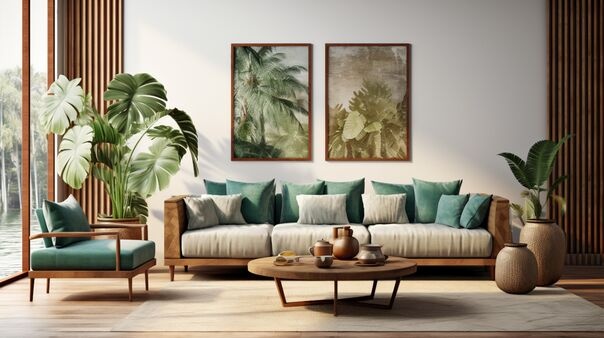
Designing small rooms can be challenging, but with the right interior design techniques, compact spaces can feel open, functional, and comfortable. A well-planned layout, smart colour choices, and thoughtful use of furniture can significantly change how a room looks and feels. At CRS Designs, we believe that intelligent design can transform even the smallest spaces into visually spacious interiors.
Here are practical interior design tips to help make small rooms appear larger.
1. Use Light and Neutral Colours
Light colours reflect natural and artificial light, making rooms feel open and airy. Shades such as white, beige, light grey, and soft pastels work well for walls, ceilings, and large furniture pieces. Using a consistent colour palette throughout the room creates visual continuity and reduces visual clutter.
Avoid heavy contrasts in small rooms, as they can break the flow and make the space feel smaller.
2. Maximise Natural Light
Natural light plays a major role in opening up a space. Keep windows unobstructed and use sheer curtains or light blinds instead of heavy drapes. If privacy is required, choose light-coloured or translucent materials that allow light to pass through.
Position mirrors opposite or near windows to reflect light and create the illusion of depth.
3. Choose the Right Furniture Scale
Oversized furniture can overwhelm a small room. Select furniture that is proportional to the space and serves multiple functions. Sleek designs with exposed legs create a sense of openness by allowing the floor to remain visible.
Multi-functional furniture such as storage beds, foldable tables, or compact sofas helps maintain functionality without crowding the room.
4. Use Vertical Space Wisely
When floor space is limited, vertical space becomes valuable. Tall cabinets, wall-mounted shelves, and vertical storage units draw the eye upward, making the room appear taller.
Avoid cluttering the walls with too many elements. Clean, vertical lines help maintain a spacious and organised look.
5. Keep the Layout Simple and Open
A simple and well-defined layout improves movement and flow within a room. Avoid unnecessary partitions or bulky dividers. Open layouts help connect spaces visually, making the room feel larger.
Ensure clear pathways and avoid blocking natural light sources with furniture.
6. Incorporate Smart Storage Solutions
Clutter can instantly make a small room feel cramped. Built-in storage, concealed cabinets, and customised solutions help keep spaces organised. Using storage that blends seamlessly with the walls reduces visual noise.
Minimal décor and well-organised storage contribute to a cleaner, more spacious appearance.
7. Use Mirrors and Reflective Surfaces
Mirrors are one of the most effective tools for creating the illusion of space. Large mirrors, mirrored panels, or reflective finishes on furniture can visually expand a room by reflecting light and surroundings.
Glossy finishes, glass tables, and metallic accents also help enhance openness.
8. Maintain Consistency in Design Elements
Using consistent materials, colours, and finishes across furniture and décor helps unify the space. This continuity prevents visual fragmentation and creates a cohesive, spacious feel.
Too many patterns or textures can make small rooms feel busy and confined.
Conclusion
Making small rooms look bigger is all about thoughtful planning and smart design choices. By using light colours, maximising natural light, choosing the right furniture, and keeping spaces organised, even compact rooms can feel open and comfortable.
At CRS Designs, we focus on intelligent interior solutions that enhance space, functionality, and everyday living. With the right design approach, small rooms can deliver big impact.